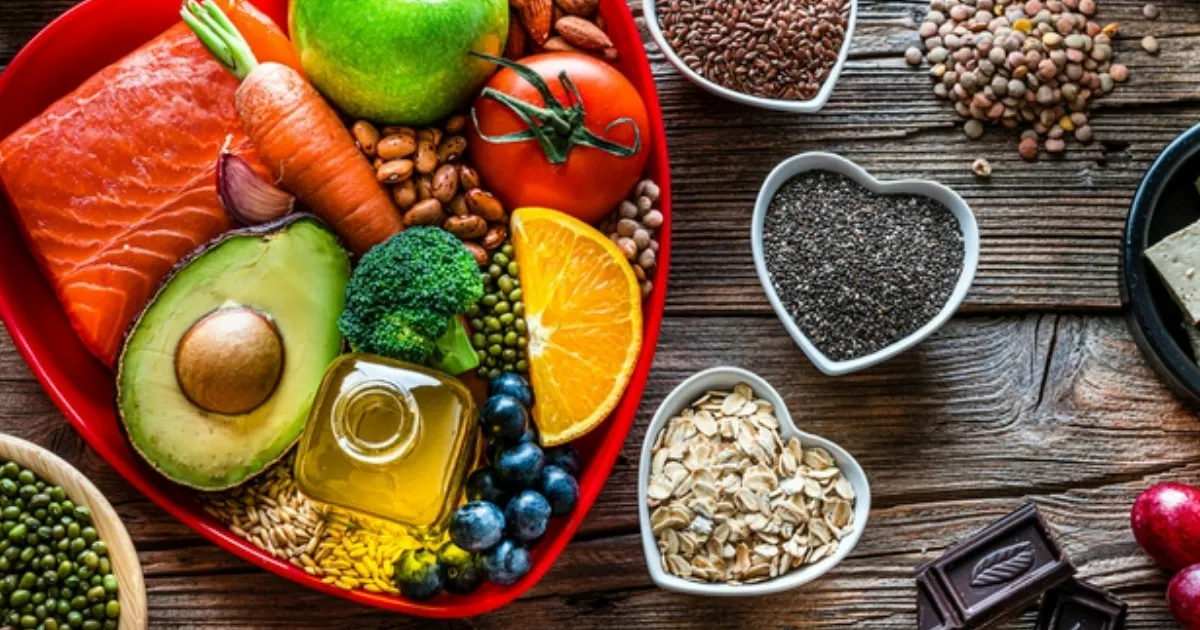
Best Healthy Foods to Eat Daily for a Strong and Balanced Life
Eating healthy is one of the simplest and most effective ways to improve your overall well-being. The food you eat every day fuels your body, affects your mood, boosts your energy, and even impacts how long you live. But with so many diet trends and opinions out there, it can be hard to know what truly counts as “healthy.” The truth is, you don’t need fancy or expensive foods — just natural, nutrient-rich options that your body loves.
In this article, we’ll explore the best healthy foods to eat daily, explain why they’re important, and how you can easily include them in your everyday meals. These foods will not only help you stay fit but also keep your mind sharp and your energy high — naturally!
1. Fresh Fruits – Nature’s Sweet Gift
Fruits are packed with vitamins, minerals, antioxidants, and fiber that help your body function at its best. They’re a delicious way to satisfy your sweet tooth while nourishing your body.
Best options to eat daily:
- Apples – Great for digestion and heart health.
- Bananas – High in potassium and good for energy.
- Berries (strawberries, blueberries, raspberries) – Rich in antioxidants that fight aging and inflammation.
- Oranges – Loaded with vitamin C, which boosts your immune system.
Try to eat at least 2-3 servings of fruit daily. You can add them to smoothies, oatmeal, or enjoy them as a mid-day snack.
2. Fresh Vegetables – The Powerhouse of Nutrition
Vegetables are among the most nutrient-dense foods you can eat. They contain vitamins, minerals, fiber, and antioxidants that help protect against diseases and keep your body strong.
Best options to eat daily:
- Spinach and kale – Full of iron, calcium, and vitamin K.
- Broccoli – Great for bone health and immunity.
- Carrots – High in beta-carotene for healthy eyes and skin.
- Tomatoes – Rich in lycopene, which supports heart health.
Aim for 4–5 servings of vegetables per day, with a mix of colors on your plate — the more colorful your meal, the more nutrients you’re getting.
3. Whole Grains – Long-Lasting Energy
Whole grains are unrefined and keep all their nutrients, unlike processed white flour. They provide complex carbohydrates that give you steady energy throughout the day.
Best options to eat daily:
- Oats – Perfect for breakfast; helps lower cholesterol.
- Brown rice or quinoa – Great for lunch or dinner; packed with fiber and protein.
- Whole wheat bread or pasta – A healthier alternative to white versions.
Whole grains help improve digestion, balance blood sugar levels, and keep you feeling full longer.
4. Lean Proteins – Building Strong Muscles
Protein is essential for building muscles, repairing tissues, and supporting hormone and enzyme production. Whether you eat animal or plant-based foods, protein should be part of every meal.
Best options to eat daily:
- Eggs – A complete protein with all essential amino acids.
- Chicken or turkey breast – Lean sources of protein with less fat.
- Fish (like salmon or tuna) – Rich in omega-3 fatty acids for heart and brain health.
- Beans, lentils, and tofu – Great vegetarian protein sources.
Try to include a source of protein with each meal to keep your energy stable throughout the day.
5. Healthy Fats – The Good Kind of Fat
Not all fats are bad. Healthy fats are essential for brain health, hormone balance, and absorbing vitamins like A, D, E, and K.
Best options to eat daily:
- Avocados – Great for skin, heart, and digestion.
- Nuts and seeds (almonds, chia seeds, flaxseeds) – Provide fiber and healthy omega-3s.
- Olive oil – A staple in the Mediterranean diet, known for reducing inflammation.
- Fatty fish (like sardines or salmon) – Boost heart health.
Use healthy fats in moderation, such as drizzling olive oil on salads or snacking on a handful of nuts.
6. Dairy or Alternatives – Strong Bones and Muscles
Dairy products are excellent sources of calcium and vitamin D, which are essential for bone health. For those who are lactose intolerant, there are many plant-based alternatives available.
Best options to eat daily:
- Yogurt (especially Greek yogurt) – High in protein and probiotics for gut health.
- Milk or fortified plant milks (almond, oat, soy) – Great for bone strength.
- Cheese (in moderation) – Provides calcium and protein.
One or two servings a day can help keep your bones and muscles strong.
7. Water – The Ultimate Essential
While not technically a “food,” water is vital for every function in your body. It helps with digestion, temperature control, nutrient transport, and flushing out toxins.
Try to drink at least 8 glasses (2 liters) of water daily. You can also stay hydrated by eating water-rich foods like cucumbers, watermelon, and oranges.
8. Herbs and Spices – Flavor with Benefits
Adding herbs and spices not only enhances taste but also provides amazing health benefits.
Best options to use daily:
- Turmeric – Anti-inflammatory and great for the immune system.
- Ginger – Helps with digestion and nausea.
- Garlic – Supports heart health and immunity.
- Cinnamon – Helps regulate blood sugar levels.
These natural flavorings can turn simple dishes into nutrient-rich meals.
9. Nuts and Seeds – Small but Mighty
Nuts and seeds are nutrient powerhouses packed with protein, healthy fats, and minerals.
Best options to eat daily:
- Almonds and walnuts – Good for brain and heart health.
- Chia and flaxseeds – Support digestion and provide omega-3s.
- Pumpkin seeds – Boost energy and immunity.
A small handful each day is enough to provide lasting benefits.
10. Legumes – The Unsung Heroes
Legumes like lentils, chickpeas, and beans are fantastic sources of plant-based protein, fiber, and iron. They help control cholesterol, stabilize blood sugar, and keep you full for hours.
Add them to soups, stews, or salads for a nutritious boost.
Conclusion
Eating healthy doesn’t have to be complicated. The key is to choose whole, natural foods that nourish your body and mind. By including these healthy foods daily — fruits, vegetables, whole grains, lean proteins, healthy fats, nuts, and plenty of water — you’re giving your body the foundation it needs to stay strong and vibrant.
A balanced diet leads to a balanced life. Start small by making one healthy choice today, and over time, you’ll notice big changes in your energy, mood, and overall health.
Frequently Asked Questions (FAQs)
1. What are the top three healthiest foods to eat every day?
Fruits, vegetables, and whole grains are among the top three healthiest foods. They provide essential nutrients, fiber, and antioxidants your body needs daily.
2. How many fruits and vegetables should I eat per day?
Experts recommend at least 5 servings — 2 of fruit and 3 of vegetables — to ensure your body gets a variety of vitamins and minerals.
3. Can I stay healthy without eating meat?
Yes, absolutely! You can get protein from plant-based sources like beans, lentils, tofu, quinoa, nuts, and seeds.
4. Is eating fat bad for health?
No, not all fats are bad. Healthy fats from avocados, nuts, olive oil, and fish are essential for brain and heart health.
5. How can I start eating healthy if I’m used to junk food?
Start small — replace sugary snacks with fruits, drink more water, and add vegetables to your meals. Gradual changes are easier to maintain long-term.
Related Posts




Latest Collection
Recent Works