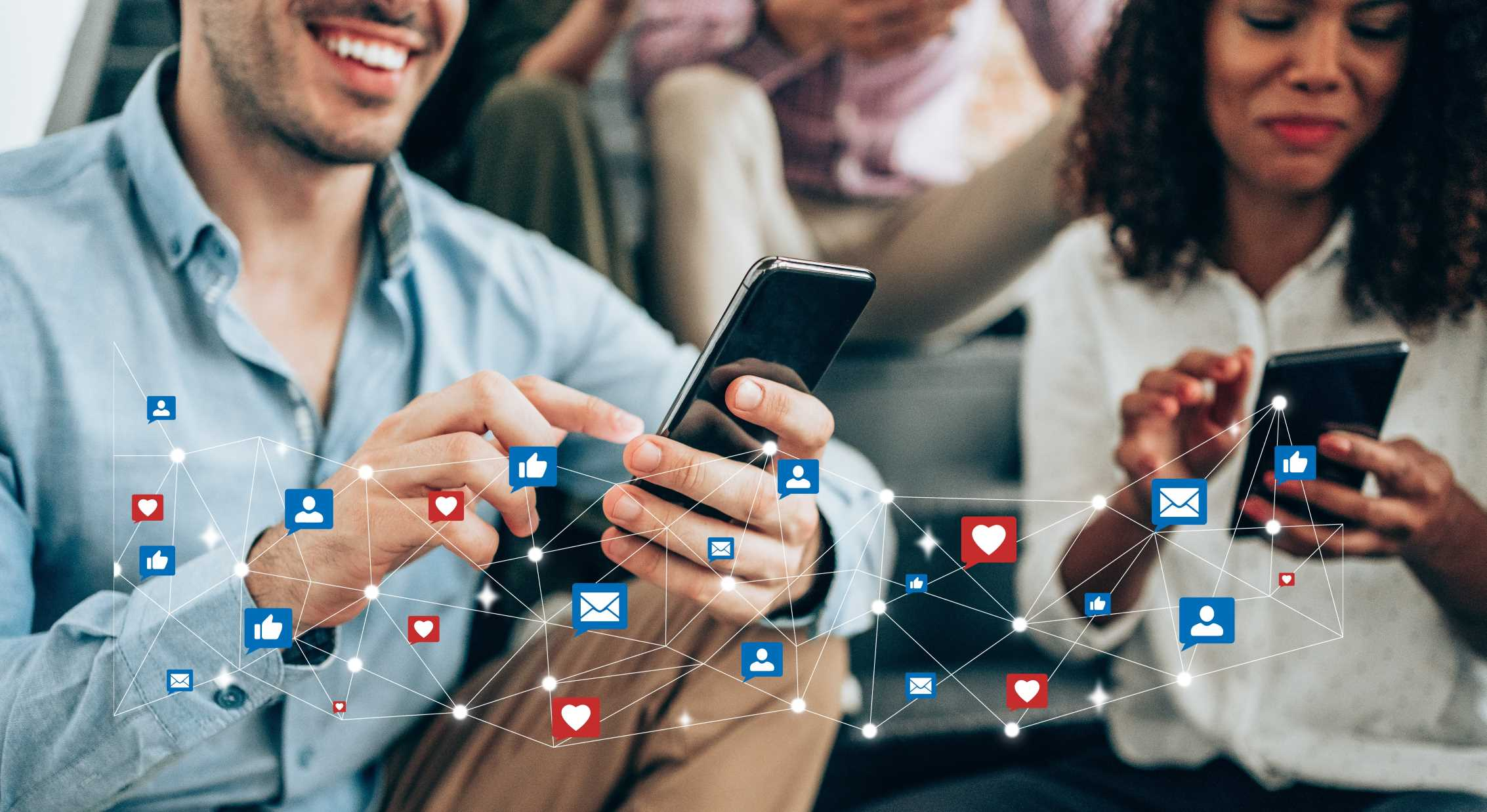
Impact of Social Media on Entertainment
In today’s world, social media has become more than just a platform to connect with friends and family. It has transformed the way we consume, share, and experience entertainment. From movies and music to gaming and live shows, social media plays a huge role in shaping trends, promoting content, and connecting creators with audiences worldwide. This article explores the impact of social media on entertainment and how it has changed the way we enjoy our favorite activities.
Social Media as a Tool for Promotion
One of the most significant impacts of social media on entertainment is its ability to promote content. Artists, filmmakers, and musicians can reach millions of people instantly through platforms like Instagram, Twitter, Facebook, TikTok, and YouTube. For instance, movie trailers or song releases often trend on social media within hours of being posted. This allows creators to create buzz and hype around their work, which helps in increasing their audience and engagement.
Social media has also made it easier for smaller, independent artists to promote themselves without needing big marketing budgets. Platforms like TikTok and Instagram Reels allow creators to showcase their talent to a global audience. Many independent songs, short films, or comedy videos have gone viral purely because of social media exposure.
Changing the Way We Consume Entertainment
Social media has shifted entertainment consumption from traditional TV, cinema, and radio to online platforms. People now watch clips, short videos, or even full shows on social media. For example, many creators upload web series, funny skits, or gaming content directly to YouTube or Instagram, and viewers can access it anytime.
This shift has also influenced the entertainment industry to adapt its content for shorter attention spans. Short-form content, like TikTok videos, Instagram stories, and YouTube Shorts, has become extremely popular because viewers prefer quick, engaging, and shareable content.
Creating a Global Audience
Social media has removed geographical barriers in entertainment. Today, a song released in one country can become popular worldwide within days because fans share it across social platforms. For example, K-pop music, Bollywood songs, and international web series have gained a massive following globally thanks to social media.
This global reach has encouraged creators to think beyond local audiences. Many artists now produce content that appeals to people from different cultures, which broadens their fanbase and increases the chances of international recognition.
Interactivity and Engagement
Unlike traditional media, social media allows real-time interaction between creators and fans. Fans can comment, like, share, and even participate in discussions about their favorite shows, movies, or music. Creators can respond to fans, take feedback, or even involve them in the content-making process through polls and challenges.
This level of engagement strengthens the bond between creators and their audience. Fans feel more connected and valued, which can significantly increase loyalty and long-term support for the creator’s work.
Influencing Trends and Popularity
Social media is a trend-setting platform. Memes, challenges, and viral content can make a song, movie, or show popular overnight. Platforms like TikTok are known for creating viral trends that impact music charts and streaming numbers.
For example, a song may become famous not only because of its quality but also because it was used in a popular TikTok dance or challenge. Similarly, a movie or TV show can trend if fans share clips, fan art, or reviews online. Social media has essentially given power to audiences to influence which content becomes popular.
Challenges and Negative Impacts
Despite its benefits, social media also has challenges for the entertainment industry. The pressure to go viral can lead creators to prioritize quantity over quality. Some content may focus more on trends rather than meaningful storytelling.
Additionally, the rapid spread of spoilers, leaks, or pirated content through social media can affect creators and the industry financially. Negative comments, trolling, and cyberbullying are also risks for entertainers who are constantly in the public eye.
Opportunities for Creators
For creators, social media offers opportunities for collaboration and growth. Many musicians, actors, and influencers collaborate across platforms and countries, creating exciting projects and reaching wider audiences. Social media also allows creators to monetize their work through ads, sponsorships, and partnerships.
The platform gives every creative individual a chance to become famous without traditional gatekeepers like big studios or record labels. Many famous artists and content creators today started purely on social media, proving its power to shape the entertainment landscape.
Future of Entertainment and Social Media
The future of entertainment is closely tied to social media. With technologies like live streaming, virtual reality (VR), and augmented reality (AR), social media will continue to provide immersive experiences for fans. Fans can attend virtual concerts, watch live movie premieres, or interact with characters in games in real-time.
Entertainment will become even more interactive, personalized, and community-driven. Social media is likely to remain a key platform where trends are created, fan bases are nurtured, and global audiences are connected.
Conclusion
Social media has revolutionized the entertainment industry. It has made content more accessible, interactive, and global. Artists and creators now have the power to promote their work, engage with fans, and influence trends like never before. While there are challenges like the pressure to go viral and negative online behavior, the benefits far outweigh them. Social media has not only changed how we consume entertainment but also how entertainment is created, shared, and appreciated worldwide.
FAQs
1. How has social media changed the music industry?
Social media allows musicians to share songs instantly, engage with fans, and go viral without needing traditional record labels. Many artists have become famous purely online.
2. Can social media make movies or shows popular overnight?
Yes, viral clips, memes, or fan content on social media can quickly boost a movie or show’s popularity worldwide.
3. Are there any negative impacts of social media on entertainment?
Yes, creators may feel pressure to follow trends instead of producing meaningful content, and issues like trolling, spoilers, or piracy can affect the industry.
4. How does social media help independent artists?
It allows them to showcase their talent globally without big marketing budgets, reach fans directly, and even earn income through ads or sponsorships.
5. Will social media continue to shape entertainment in the future?
Absolutely. With live streaming, AR/VR, and interactive content, social media will keep influencing trends, fan engagement, and global reach in entertainment.
Related Posts
Latest Collection
Recent Works