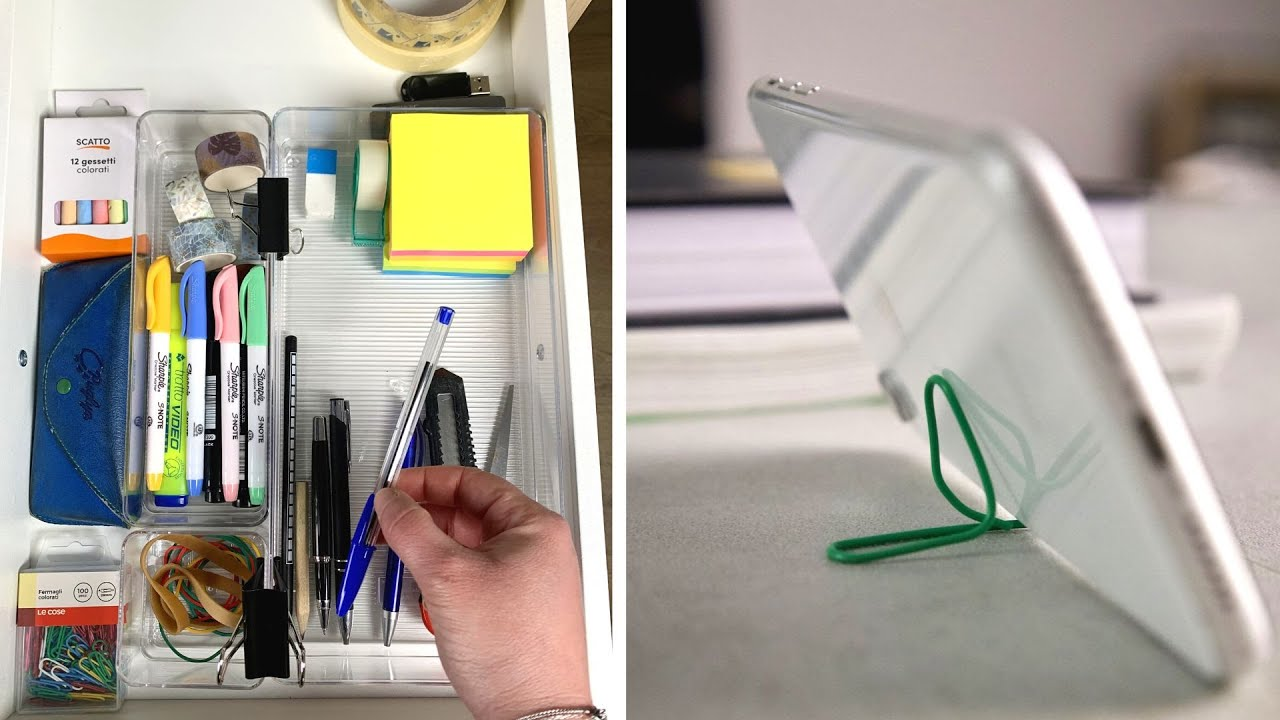
Productivity Life Hacks for Students: Maximize Your Time and Achieve More
Being a student can be challenging. Between classes, assignments, exams, and social life, it’s easy to feel overwhelmed. But what if there were simple ways to boost your productivity and make your student life easier? That’s where productivity life hacks for students come in. These are small, actionable tips and tricks that help you manage time better, study smarter, and get more done without burning out.
In this article, we’ll explore practical hacks that every student can use. Whether you are in high school, college, or university, these tips can help you stay organized, focused, and stress-free.
1. Plan Your Day the Night Before
One of the easiest ways to increase productivity is planning ahead. Before going to bed, take 10–15 minutes to make a list of tasks for the next day. Include study sessions, assignments, and personal tasks. This helps you:
- Start your day with a clear plan.
- Avoid forgetting important tasks.
- Reduce stress because you know exactly what to do.
Tip: Use a planner, notebook, or a productivity app like Notion or Todoist.
2. Use the Pomodoro Technique
Many students struggle to stay focused for long study sessions. The Pomodoro Technique can solve this problem. Here’s how it works:
- Choose a task to focus on.
- Set a timer for 25 minutes and work without interruption.
- Take a 5-minute break.
- Repeat 3–4 times, then take a longer break of 15–30 minutes.
This technique helps you stay focused, avoid burnout, and complete tasks efficiently.
3. Prioritize Tasks Using the 80/20 Rule
The 80/20 Rule (also known as the Pareto Principle) says that 20% of your effort gives 80% of the results. For students, this means:
- Focus on assignments, projects, or topics that will give the highest impact on your grades.
- Avoid spending too much time on tasks that don’t matter as much.
Tip: List your tasks in order of importance, then tackle the most critical ones first.
4. Organize Your Study Space
A messy study area can reduce productivity. A clean and organized space helps you focus better. Here’s what you can do:
- Keep only study materials on your desk.
- Remove distractions like phones or unrelated devices.
- Ensure proper lighting and a comfortable chair.
Even small changes, like using a desk organizer or labeling notebooks, can make a big difference.
5. Limit Social Media Distractions
Social media can be a huge time-waster. Students often spend hours scrolling instead of studying. To stay productive:
- Turn off notifications during study hours.
- Use apps like Forest or Focus@Will to block distractions.
- Schedule specific times for social media rather than using it randomly.
By controlling your screen time, you free up more hours for studying, hobbies, or rest.
6. Take Smart Breaks
Breaks are essential for productivity. But not all breaks are equal. A smart break helps refresh your mind instead of wasting time. Ideas include:
- A 10-minute walk.
- Quick stretching or light exercise.
- Listening to music or meditating.
Avoid getting sucked into TV shows or social media during breaks, as it can reduce focus when you return to studying.
7. Use Mind Maps and Visual Aids
Visual aids can improve memory and understanding. Mind maps, diagrams, or charts help you organize information quickly. Benefits include:
- Easier recall of complex topics.
- Quick review before exams.
- Better understanding of relationships between ideas.
Tip: Use colorful markers or apps like MindMeister to create digital mind maps.
8. Set Specific Goals
Vague goals like “study math” don’t give direction. Instead, set specific and achievable goals. For example:
- “Complete 10 math problems in 30 minutes.”
- “Write 500 words of my essay today.”
Specific goals help you measure progress and maintain motivation.
9. Combine Study With Healthy Habits
Your productivity is linked to your physical and mental health. Some small habits can boost efficiency:
- Sleep 7–8 hours every night.
- Drink enough water.
- Eat healthy snacks like fruits, nuts, or yogurt.
- Exercise regularly to increase energy levels.
When your body is well-rested and nourished, studying becomes easier and more effective.
10. Learn to Say No
Students often try to do too much. Clubs, social events, part-time jobs, and volunteering can be rewarding but may overload your schedule. Learn to say no when:
- A task doesn’t align with your goals.
- It will consume time better spent on high-priority tasks.
Prioritizing your time ensures you stay focused and reduce stress.
11. Review Notes Regularly
Don’t just study once before exams. Regular review improves retention and reduces last-minute stress. Strategies include:
- Reviewing notes for 10–15 minutes daily.
- Summarizing chapters in your own words.
- Teaching the material to a friend.
This makes learning active, not passive, and increases long-term memory.
12. Reward Yourself
Finally, reward yourself for completing tasks. Rewards keep you motivated and make productivity enjoyable. Ideas:
- Enjoy a favorite snack.
- Watch a short episode of a show.
- Spend time with friends.
Just remember to balance rewards so they don’t become distractions.
Frequently Asked Questions (FAQs)
1. How can I stop procrastinating as a student?
Start with small tasks, set deadlines, and use the Pomodoro Technique. Breaking work into smaller steps makes it easier to start.
2. Are study apps really helpful?
Yes, apps like Notion, Todoist, and Forest help you organize tasks, set reminders, and reduce distractions.
3. How long should I study in a day?
It depends on your schedule, but 3–5 focused hours with breaks is often more effective than 6–8 hours of distracted studying.
4. Can multitasking reduce productivity?
Yes. Multitasking divides attention and lowers efficiency. Focus on one task at a time for better results.
5. What’s the best way to manage exam stress?
Regular breaks, exercise, adequate sleep, and planning study sessions in advance help reduce stress significantly.
Conclusion
Boosting productivity as a student isn’t about working harder; it’s about working smarter. By planning your day, focusing on priorities, minimizing distractions, and taking care of your health, you can achieve more in less time. These productivity life hacks for students are simple, practical, and easy to apply. Start incorporating them today and watch your student life become more organized, efficient, and stress-free.
Related Posts

Latest Collection
Recent Works