What To Do When You Want to Remove a Tattoo
Deciding to remove a tattoo involves some research, and it’s helpful to understand the process before you begin. When you no longer want a piece of body art, you have options. The tattoo removal process involves several steps, from assessing the tattoo itself to caring for your skin afterward. Here is more information about what to do when you want to remove a tattoo:
Assess Pigments
Understanding your tattoo’s pigments is a good starting point. Since different colors respond differently to removal treatments, a technician can evaluate your tattoo’s ink. Some colors, like black and dark blue, may be easier to remove. Lighter colors, such as greens and yellows, typically require more sessions since they absorb less laser energy. A professional assessment will give you a clearer picture of your specific removal path.
Choose Options
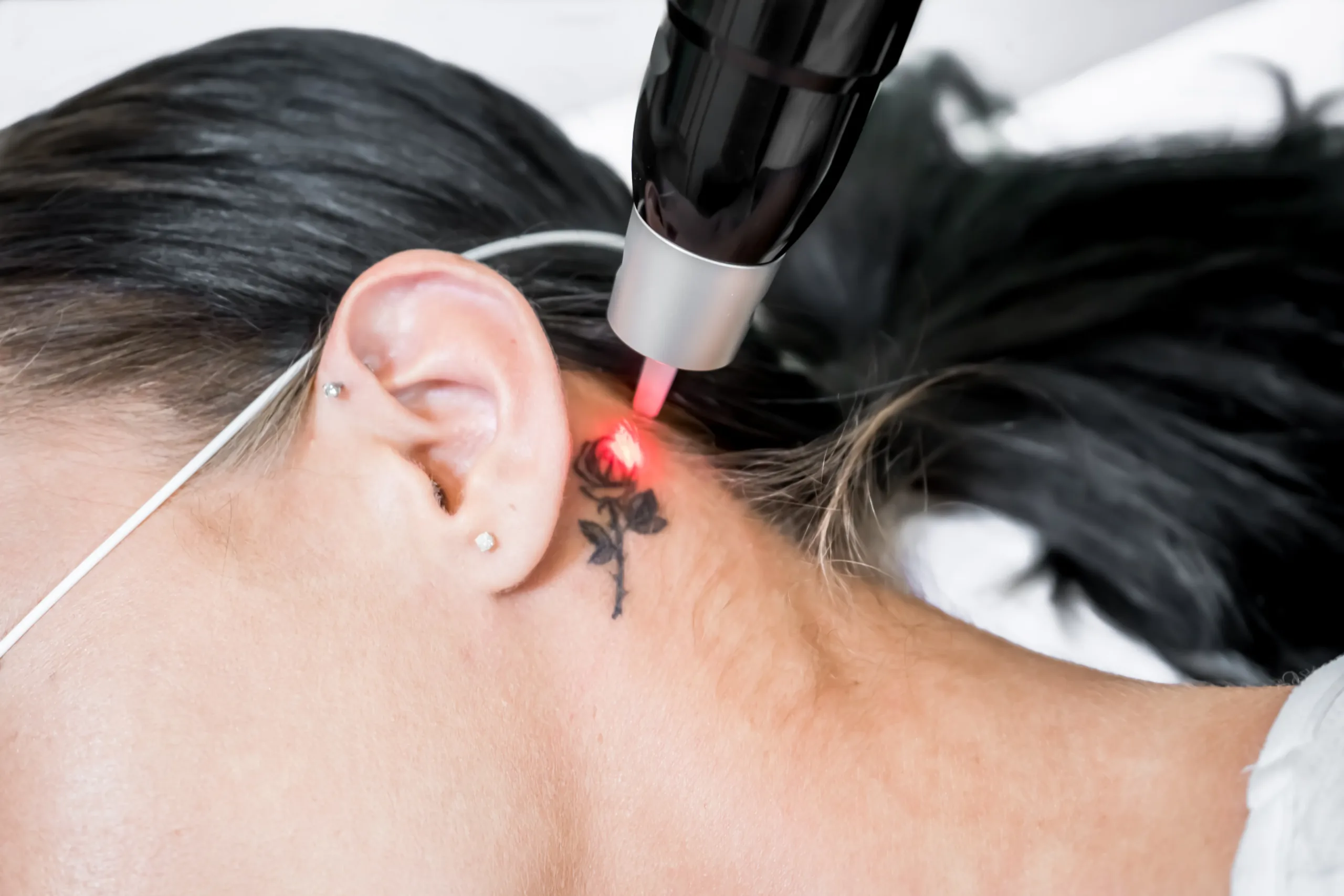
For unwanted body art, tattoo removal is the standard way to get rid of tattoos. This process uses laser technology to break down the ink particles in your skin. Your body then naturally clears away these small particles over time. While this method requires multiple sessions, it helps completely erase the tattoo. Many people find this is the ideal long-term solution for them.
Another option is a cover-up tattoo. When a skilled tattoo artist designs a new piece that incorporates and conceals the old one, they offer a creative solution. This approach is typically fast, and you get fresh ink while saying goodbye to the old design.
A temporary choice is to use specialized makeup. High-coverage concealers are formulated to temporarily hide tattoos, which is useful for special events or professional settings. This method provides a non-permanent way to cover your ink, and you can apply and remove the makeup as needed.
Determine Laser Type
Q-switched lasers are a standard technology for tattoo removal. These lasers produce brief, powerful pulses of light that shatter ink particles. Your body’s immune system then works to clear the fragmented ink. For darker ink colors, the process is particularly effective.
Picosecond lasers represent a newer advancement in tattoo removal technology. Because these lasers deliver energy in even shorter bursts than Q-switched lasers, they can break ink into smaller, dust-like particles. This technology may lead to fewer sessions and can be effective on stubborn colors. A specialist can help determine which laser is appropriate for your skin and tattoo.
Follow Aftercare Instructions
Following proper aftercare is a key part of the healing process. Your skin may be sensitive after a laser session, and proper care helps it recover well. Keep the treated area clean and dry. You might apply an antibiotic ointment and cover it with a bandage. For your comfort and ideal results, you need to:
- Avoid direct sun exposure.
- Refrain from picking at scabs.
- Keep the area moisturized once healed.
Schedule Tattoo Removal Today
Thinking about tattoo removal involves looking at your ink, picking a method, and understanding the technology. You also must commit to aftercare for the most effective outcome. If you are ready to start, we are here to guide you. Contact us today to schedule your consultation and take the first step toward clear skin.
Related Posts






Latest Collection
Recent Works