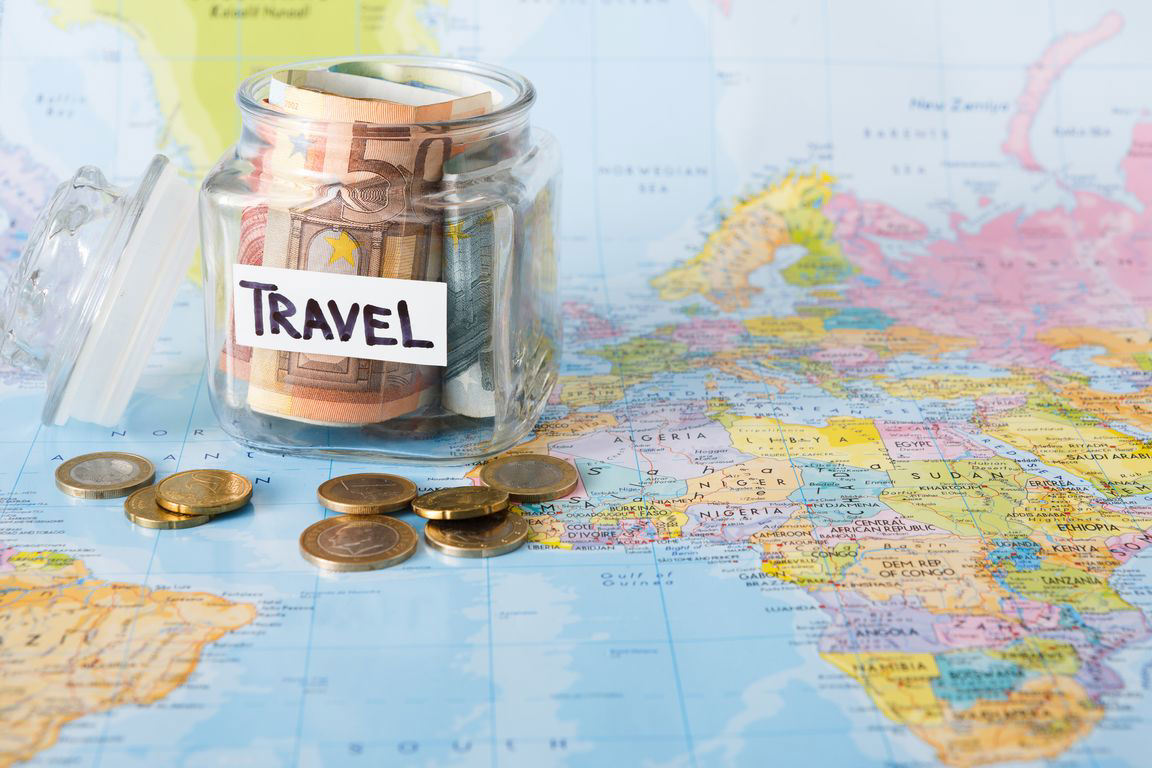
Budget-Friendly Travel Tips: Explore the World Without Breaking the Bank
Traveling is one of life’s greatest joys, but many people worry about the costs. The good news? You don’t have to be rich to explore new destinations. With the right strategies, you can enjoy amazing trips while sticking to a budget. Whether you’re planning a weekend getaway or a month-long adventure, these budget-friendly travel tips will help you save money and make the most of your travels.
1. Plan Ahead and Be Flexible
One of the easiest ways to save money is by planning ahead. Booking flights and accommodations early often gives you better prices. However, flexibility is key. Sometimes last-minute deals on flights, hotels, or vacation packages can be cheaper than booking months in advance.
- Tip: Use fare comparison websites and travel apps to find the best prices.
- Tip: If your schedule allows, travel during off-peak seasons to avoid high costs and crowds.
2. Set a Realistic Budget
Before you start packing, create a travel budget. Include flights, accommodations, food, local transportation, attractions, and even souvenirs. Knowing your spending limits helps you avoid overspending and keeps your trip stress-free.
- Tip: Use budgeting apps to track your expenses while traveling.
- Tip: Always keep a little extra for emergencies.
3. Choose Affordable Destinations
Not all destinations cost the same. Some countries or cities are known to be expensive, while others offer great experiences at lower prices. Research destinations that fit your budget. Southeast Asia, Eastern Europe, and parts of Central and South America are often cheaper than Western Europe or major U.S. cities.
- Tip: Explore smaller towns instead of big cities—they are often cheaper and more authentic.
4. Travel Light
Packing light isn’t just convenient; it can save money too. Many airlines charge for checked bags, so a carry-on bag can save you extra fees. Plus, traveling light makes it easier to move around and use public transportation.
- Tip: Bring versatile clothing that can be mixed and matched.
- Tip: Pack travel-sized toiletries to save space and weight.
5. Use Public Transportation
Taxis and ride-sharing apps can be expensive. Using public transportation like buses, trains, or subways is much cheaper and gives you a chance to experience the city like a local.
- Tip: Research transit passes that offer unlimited rides for a fixed price.
- Tip: Walking or biking is free and great for sightseeing.
6. Eat Like a Local
Dining out can quickly eat up your budget. To save money, try local street food, markets, and small restaurants instead of tourist hotspots. Not only is it cheaper, but you also get a more authentic taste of the culture.
- Tip: Buy snacks from grocery stores instead of convenience stores.
- Tip: If you’re staying in a place with a kitchen, cook some meals yourself.
7. Look for Free or Low-Cost Activities
You don’t always need expensive tours or attractions to have fun. Many cities offer free walking tours, museums with free entry days, parks, and beautiful hiking trails. Doing a little research before your trip can help you discover activities that don’t cost a fortune.
- Tip: Check online travel forums for free events happening during your visit.
- Tip: Bring your own reusable water bottle to avoid buying drinks constantly.
8. Save on Accommodations
Hotels can be expensive, but there are plenty of budget-friendly options. Hostels, guesthouses, Airbnb, and vacation rentals often offer lower rates. You can also save money by staying just outside city centers and using public transport to get around.
- Tip: Read reviews carefully to ensure safety and comfort.
- Tip: Consider house-sitting or home exchange programs for long stays.
9. Use Travel Rewards and Discounts
Frequent travelers can benefit from travel reward programs. Points from flights, hotels, or credit cards can add up quickly and save you a lot of money. Additionally, many attractions, museums, or restaurants offer discounts for students, seniors, or group bookings.
- Tip: Sign up for newsletters from airlines and travel sites to get alerts on deals.
- Tip: Use cashback or discount apps to make your money go further.
10. Avoid Peak Tourist Spots at Peak Times
Visiting popular spots during busy hours can be costly and stressful. Early mornings or late afternoons are often less crowded and cheaper. Also, exploring hidden gems away from tourist traps can be more budget-friendly and rewarding.
- Tip: Research local holidays to avoid high prices.
- Tip: Plan your visit to popular attractions during off-peak times.
11. Save on Communication and Connectivity
International roaming charges can be expensive. Consider buying a local SIM card, using free Wi-Fi at cafes and hotels, or using apps like WhatsApp or Skype to stay connected with family and friends.
- Tip: Download maps offline to avoid mobile data costs.
- Tip: Share photos and videos using cloud storage instead of paying for data.
12. Keep Track of Your Spending
Even with careful planning, it’s easy to overspend. Keep a daily record of your expenses. This helps you stay within your budget and make adjustments if needed.
- Tip: Use a small notebook or a travel expense app.
- Tip: Set daily limits for food, transportation, and souvenirs.
5 Frequently Asked Questions (FAQs)
1. Can I travel internationally on a tight budget?
Yes! Many countries in Asia, Eastern Europe, and Central America are budget-friendly for international travelers. Planning, flexibility, and using local resources make it possible.
2. How can I find cheap flights?
Use fare comparison websites, sign up for email alerts, and be flexible with your travel dates. Mid-week flights are often cheaper than weekend flights.
3. Is it better to stay in hotels or hostels?
It depends on your budget. Hostels, guesthouses, and Airbnb options are usually cheaper and provide opportunities to meet other travelers.
4. How can I save money on food while traveling?
Eat like a local! Street food, markets, and small local restaurants are cheaper than touristy places. Cooking your own meals is also a good option if accommodations allow it.
5. What’s the easiest way to save money on attractions?
Look for free or low-cost activities, visit during off-peak hours, and check for student or group discounts. Many museums also have free entry days.
Conclusion
Traveling doesn’t have to drain your bank account. By planning ahead, being flexible, choosing affordable destinations, and embracing local experiences, you can enjoy amazing adventures on a budget. Remember, travel is about making memories, not spending a fortune. With these budget-friendly travel tips, you can explore the world, discover new cultures, and create unforgettable experiences without overspending.
Travel smart, travel wisely, and enjoy every moment of your journey!
Related Posts
Latest Collection
Recent Works