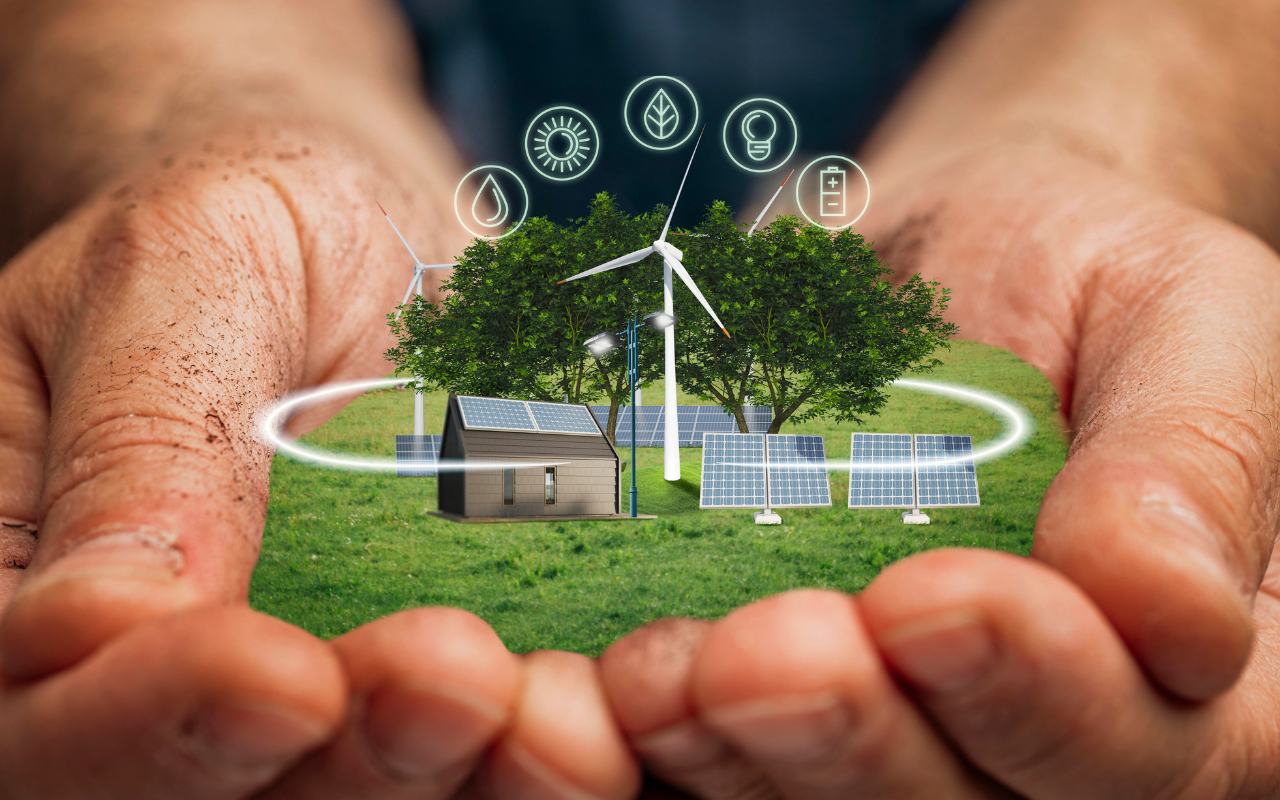
How to Live a Sustainable and Eco-Friendly Lifestyle
Living a sustainable and eco-friendly lifestyle is no longer just a trend—it’s a necessity. With increasing global pollution, climate change, and waste problems, every individual’s effort counts. Choosing an eco-conscious way of living not only helps protect the planet but also promotes personal well-being and saves money in the long run. This article will guide you through simple, practical, and realistic ways to live sustainably and reduce your environmental footprint.
🌿 What Does Sustainable Living Mean?
Sustainable living means making choices that have minimal negative impact on the environment. It’s about conserving resources, reducing waste, and ensuring that future generations can enjoy a healthy planet. It doesn’t mean giving up comfort or convenience—it’s about finding smarter, greener alternatives for everyday actions.
From the food you eat to the clothes you wear, every decision can contribute to a sustainable lifestyle.
💧 1. Conserve Energy and Water
Energy and water are two of the most valuable resources we often take for granted. Conserving them can significantly reduce your carbon footprint and utility bills.
Simple ways to save energy:
- Switch to LED bulbs instead of traditional ones—they use less electricity and last longer.
- Unplug electronics when not in use to avoid phantom energy consumption.
- Invest in energy-efficient appliances such as refrigerators, washing machines, and air conditioners.
- Use natural light during the day and keep curtains open for ventilation.
To save water:
- Fix leaky faucets and pipes promptly.
- Take shorter showers instead of long baths.
- Collect rainwater for watering plants.
- Use low-flow showerheads and dual-flush toilets.
Even small changes like turning off the tap while brushing your teeth can make a big difference.
🌎 2. Reduce, Reuse, Recycle
The three R’s—Reduce, Reuse, and Recycle—form the foundation of eco-friendly living.
- Reduce: Limit your consumption. Avoid unnecessary purchases and buy items that are built to last.
- Reuse: Give items a second life. Use reusable shopping bags, glass bottles, or metal straws instead of disposable ones.
- Recycle: Sort your waste properly. Recycle paper, plastic, and metal instead of sending them to landfills.
You can also upcycle old items—turn glass jars into storage containers or repurpose old clothes into cleaning rags.
🍎 3. Eat a Sustainable Diet
What you eat plays a huge role in your environmental footprint. Food production, especially meat and dairy, contributes to greenhouse gas emissions and deforestation.
Here’s how to make your diet more eco-friendly:
- Eat more plant-based foods like vegetables, fruits, legumes, and whole grains.
- Buy locally grown and seasonal produce to reduce transportation emissions.
- Support organic farming, which avoids harmful pesticides and promotes soil health.
- Avoid food waste by planning your meals and storing leftovers properly.
- Compost food scraps instead of throwing them away.
Choosing local farmers’ markets and growing your own herbs or vegetables at home are great steps toward sustainability.
🚲 4. Choose Eco-Friendly Transportation
Transportation is one of the biggest contributors to air pollution and climate change. Reducing your reliance on cars can make a massive difference.
- Walk, cycle, or use public transport whenever possible.
- Carpool with friends or coworkers to save fuel.
- If you can afford it, switch to an electric or hybrid vehicle.
- For short distances, avoid unnecessary driving—it’s good for your health and the planet!
Also, consider offsetting your travel emissions when taking flights by supporting carbon offset programs.
🏡 5. Create a Green Home
Your home can become a sustainable haven with just a few thoughtful changes.
Home sustainability tips:
- Use eco-friendly cleaning products made from natural ingredients like vinegar or baking soda.
- Switch to solar panels if possible to harness renewable energy.
- Insulate your home to reduce heating and cooling costs.
- Decorate with indoor plants that purify the air naturally.
- Use furniture made from recycled or reclaimed materials.
Additionally, consider using biodegradable garbage bags and choosing eco-certified paints for your walls.
👗 6. Adopt Sustainable Fashion Habits
The fashion industry is one of the largest polluters globally. Fast fashion encourages overproduction, waste, and poor labor practices. Living sustainably means being conscious about what you wear.
Try these ideas:
- Buy less but better quality clothing.
- Support ethical brands that use organic, recycled, or cruelty-free materials.
- Donate, swap, or sell your old clothes instead of throwing them away.
- Learn to repair or upcycle garments rather than discarding them.
Even small steps like washing clothes in cold water and air-drying them can save energy.
🌱 7. Support Green Businesses
Choose companies that care for the environment. Look for certifications such as:
- Fair Trade
- USDA Organic
- Forest Stewardship Council (FSC)
- Energy Star
When you support green businesses, you help drive demand for more ethical and eco-friendly products in the market.
💡 8. Practice Minimalism
Minimalism goes hand in hand with sustainability. It’s about living with less and focusing on quality rather than quantity.
Declutter your home and keep only what you truly need. The fewer items you own, the less energy and resources you consume. Plus, a minimalist lifestyle often leads to less stress and more satisfaction.
🌳 9. Connect with Nature
Living sustainably also means appreciating and protecting nature. Spend time outdoors, plant trees, and volunteer for environmental causes. When you connect with nature, you naturally develop habits that protect it.
You can also teach children the importance of sustainability through small activities like recycling projects or gardening.
🌤 10. Start Small but Stay Consistent
You don’t need to make all these changes overnight. Start small—replace plastic bottles with reusable ones, compost your waste, or switch to natural cleaners. Over time, these habits will become second nature.
The goal isn’t perfection; it’s progress. Every sustainable choice adds up to a significant positive impact on our planet.
🌍 Conclusion
Living a sustainable and eco-friendly lifestyle is a journey of awareness and action. It’s about making better choices that respect the Earth and ensure a healthier future for generations to come. Whether it’s conserving energy, choosing local food, or reducing waste, every step matters.
Remember, sustainability starts with you—your habits, your mindset, and your daily actions. By living consciously and responsibly, you can inspire others to do the same and make the world a cleaner, greener place to live.
❓ FAQs About Living a Sustainable and Eco-Friendly Lifestyle
1. What is the easiest way to start living sustainably?
Start with small steps—use reusable bags, avoid plastic bottles, and turn off lights when not in use. Gradually, you can expand to bigger lifestyle changes.
2. Does sustainable living cost more?
Initially, some eco-friendly products may seem expensive, but they last longer and save money in the long run. For example, LED bulbs and reusable items reduce long-term costs.
3. How can I make my home more eco-friendly?
Switch to energy-efficient appliances, install solar panels if possible, reduce water usage, and use natural cleaning products to make your home greener.
4. Can one person really make a difference?
Absolutely. When one person changes, it inspires others. Collective small efforts lead to massive environmental improvements over time.
5. What are some common mistakes people make while trying to live sustainably?
Many people buy “eco-friendly” products excessively without reducing consumption. Sustainability is about using less, not just buying greener versions of everything.
Related Posts













Latest Collection
Recent Works