
How to Plan an International Trip: A Step-by-Step Guide
Traveling internationally is an exciting adventure, but it can also feel overwhelming if you don’t plan carefully. From choosing your destination to packing your bags, there are many steps involved in creating a smooth and enjoyable journey. This guide will walk you through the process of planning an international trip in a simple and easy-to-follow way.
1. Decide on Your Destination
The first step in planning an international trip is deciding where you want to go. Think about what interests you the most: history, beaches, mountains, cultural experiences, or food. Research different countries, consider the weather at the time you plan to visit, and check travel advisories for safety.
It’s also important to consider your budget. Some destinations are more expensive than others, so knowing how much you’re willing to spend will help narrow down your choices.
2. Set Your Budget
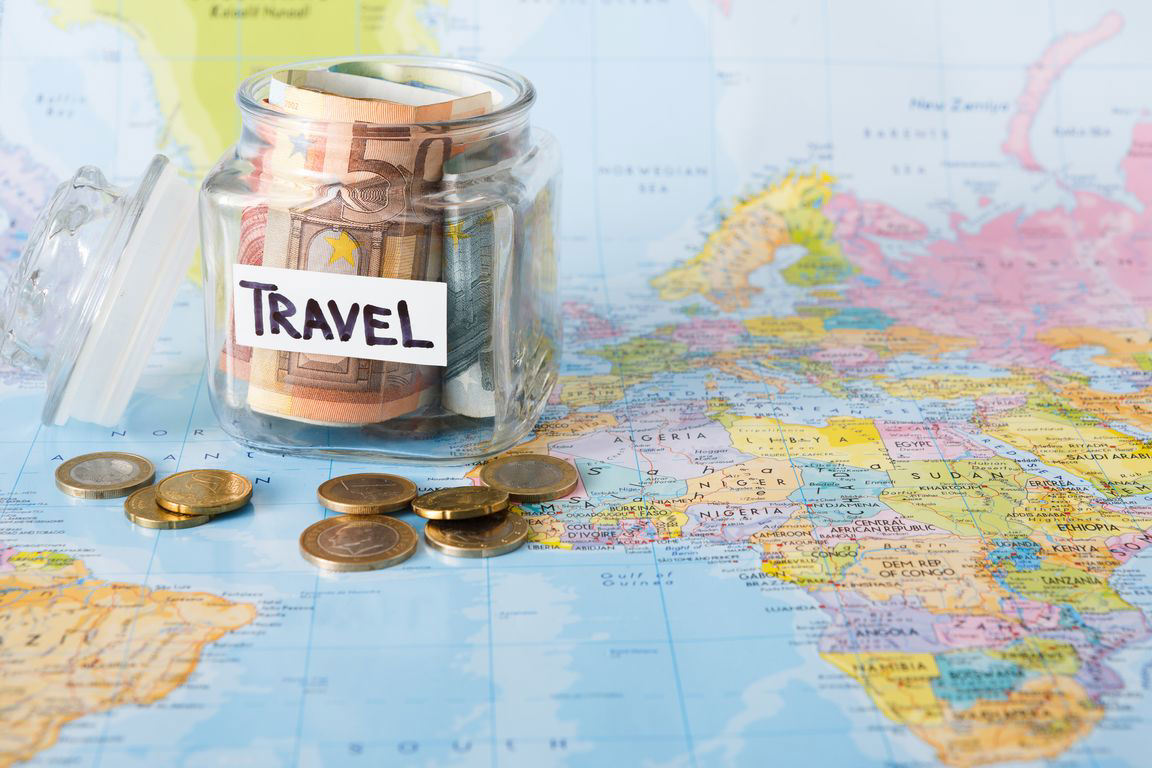
Once you have chosen a destination, it’s time to set a budget. Factor in all possible expenses:
- Flights
- Accommodation
- Food and drinks
- Transportation (taxis, buses, trains)
- Sightseeing and activities
- Travel insurance
- Souvenirs
Setting a budget early helps you avoid overspending and ensures you enjoy your trip without financial stress.
3. Check Passport and Visa Requirements
Before booking anything, make sure your passport is valid for at least six months from your travel date. Many countries require this for entry.
Next, check if you need a visa. Some countries allow visa-free travel, while others require you to apply in advance. Start this process early, as obtaining a visa can take time.
4. Plan Your Travel Dates
Choosing the right time to travel is crucial. Consider the weather, peak tourist seasons, and your personal schedule. Traveling during off-peak seasons can save you money and reduce crowds at popular attractions.
Also, check for any local holidays or festivals that might affect your travel plans. While festivals can be fun to experience, they may also mean higher prices and limited availability of services.
5. Book Your Flights
Flights are usually the most expensive part of an international trip, so book early to get the best deals. Use flight comparison websites and flexible date searches to find cheaper options.
Remember to consider airport location, layovers, and baggage policies when choosing a flight. Sometimes a slightly longer flight with a layover can save a lot of money.
6. Choose Accommodation
Decide where you will stay based on your budget and travel style. Options include:
- Hotels for comfort and convenience
- Hostels for budget-friendly stays and social experiences
- Vacation rentals for a more home-like feel
- Guesthouses or bed-and-breakfasts for local experiences
Booking early is recommended, especially if you’re traveling during peak season. Read reviews carefully to avoid unpleasant surprises.
7. Plan Your Itinerary
Research the attractions, activities, and experiences available in your destination. Make a list of must-see places but also leave some free time for spontaneous adventures.
Consider using travel apps or guides to help plan your days efficiently. Balance sightseeing with relaxation to avoid travel fatigue.
8. Arrange Travel Insurance
Travel insurance is essential for international trips. It covers medical emergencies, trip cancellations, lost luggage, and other unexpected events.
Compare different insurance plans to find one that suits your needs and provides adequate coverage. Always read the fine print to understand what is included.
9. Take Care of Health and Safety
Check if your destination requires any vaccinations or health precautions. Carry any prescription medications you need and pack a small first-aid kit.
Be aware of safety concerns, such as local scams or unsafe areas, and keep your valuables secure. Registering with your country’s embassy can also help in case of emergencies.
10. Prepare Your Documents
Keep all your travel documents organized and accessible:
- Passport and visa
- Flight tickets
- Hotel reservations
- Travel insurance information
- Copies of important documents
It’s a good idea to store digital copies on your phone or cloud storage in case of loss.
11. Pack Smart
Packing wisely can make your trip more comfortable. Check the weather at your destination and pack accordingly. Essentials include:
- Clothing suitable for the climate
- Comfortable shoes
- Toiletries and personal items
- Electronics and chargers
- Travel adapters
- Travel-sized first-aid kit
Try to pack light to avoid extra baggage fees and make moving around easier.
12. Learn Basic Local Phrases
Learning a few basic phrases in the local language can go a long way. Simple greetings, thank-you, and asking for directions can make your experience smoother and more enjoyable.
Even if you don’t become fluent, locals appreciate the effort, and it may lead to friendlier interactions.
13. Plan Transportation in Destination
Research transportation options at your destination. Will you use public transport, taxis, rideshare apps, or rent a car? Knowing this in advance saves time and avoids confusion.
Also, check if you need an international driver’s license if you plan to drive.
14. Set Communication and Connectivity
Ensure your phone works internationally. Options include international roaming, local SIM cards, or portable Wi-Fi devices. Staying connected is important for navigation, emergencies, and staying in touch with family or friends.
15. Enjoy Your Trip!
After all the planning, it’s time to enjoy your international adventure. Be open to new experiences, try local food, explore off-the-beaten-path spots, and make lasting memories.
Remember, flexibility is key. Sometimes things won’t go exactly as planned, but embracing the unexpected often leads to the best stories.
Frequently Asked Questions (FAQs)
1. How far in advance should I plan an international trip?
It’s best to start planning at least 3-6 months in advance to book flights, accommodations, and visas.
2. What documents do I need for international travel?
You’ll need a valid passport, visa (if required), flight tickets, hotel reservations, travel insurance, and copies of important documents.
3. How can I save money while traveling internationally?
Book flights early, travel during off-peak seasons, choose budget accommodations, use public transport, and plan your meals wisely.
4. Do I need travel insurance for an international trip?
Yes, travel insurance is important for medical emergencies, trip cancellations, lost luggage, and other unexpected events.
5. How do I stay safe while traveling abroad?
Research your destination, keep valuables secure, avoid unsafe areas, follow local laws, and register with your country’s embassy if needed.
Conclusion
Planning an international trip doesn’t have to be stressful. By following these simple steps—choosing a destination, setting a budget, arranging documents, and planning your itinerary—you can make your journey enjoyable and worry-free. Proper preparation allows you to focus on exploring, learning, and creating unforgettable memories.
Related Posts
Latest Collection
Recent Works