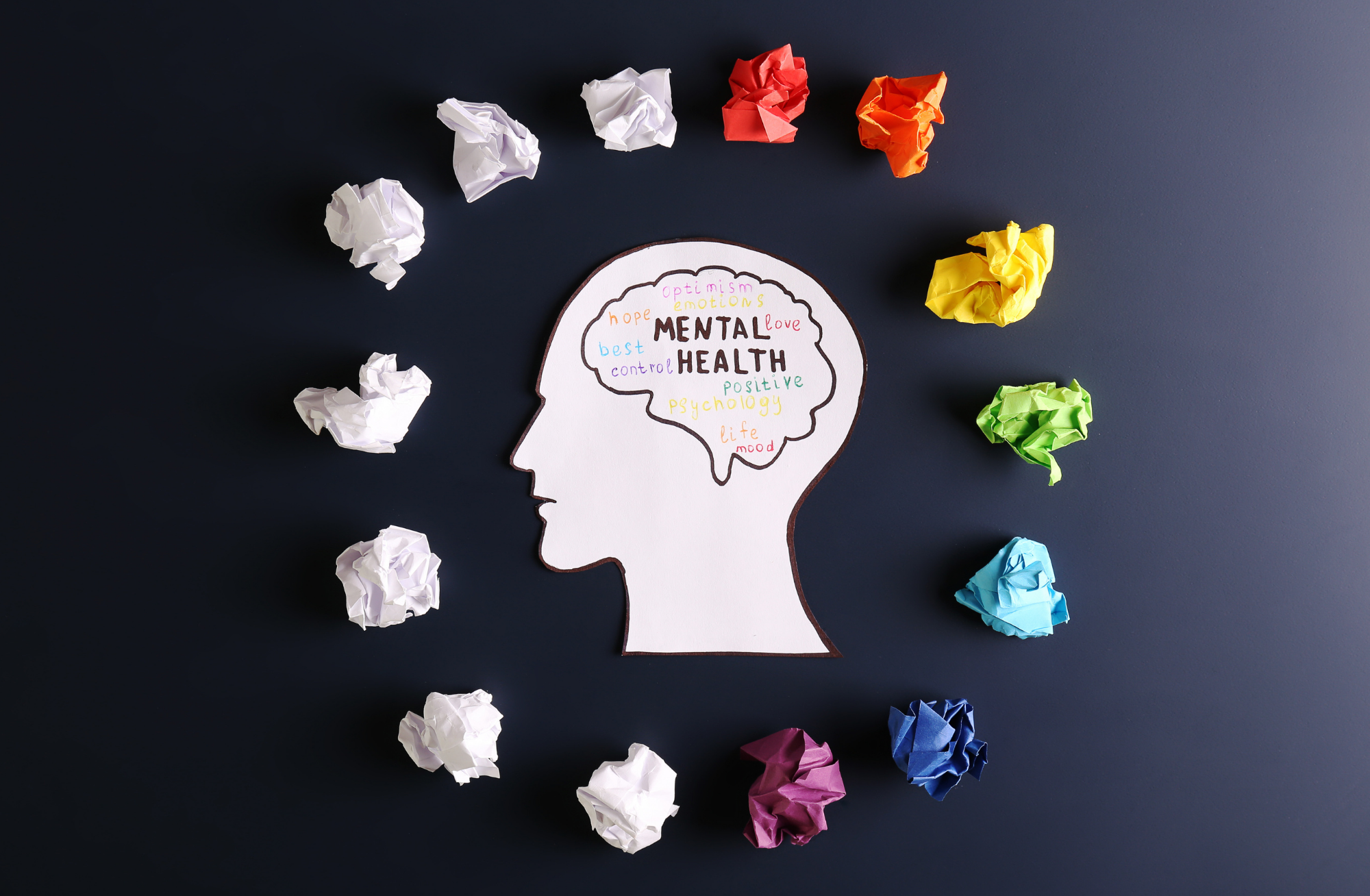
How to Improve Your Mental Health Naturally
In today’s fast-paced world, stress, anxiety, and burnout have become part of daily life. Many people search for ways to feel happier, calmer, and more balanced — without always turning to medications or therapy sessions. The good news? There are plenty of natural and effective ways to improve your mental health.
Your mental well-being is just as important as your physical health. When your mind feels healthy, your body, emotions, and relationships benefit too. Let’s explore some powerful, natural methods you can start using today to boost your mental health and overall happiness.
1. Prioritize Quality Sleep
Sleep is one of the most underrated mental health boosters. A good night’s rest allows your brain to recharge, regulate emotions, and manage stress better. When you don’t get enough sleep, you’re more likely to feel anxious, irritable, or unfocused.
How to improve sleep naturally:
- Maintain a regular sleep schedule — go to bed and wake up at the same time daily.
- Avoid screens (phones, laptops, TVs) at least an hour before bedtime.
- Create a relaxing bedtime routine like reading, meditating, or listening to soft music.
- Keep your bedroom dark, quiet, and cool.
When your sleep improves, your mental clarity, mood, and stress resilience naturally get better.
2. Eat a Brain-Healthy Diet
What you eat directly affects how you feel. The brain needs proper nutrition to function well, regulate mood, and fight mental fatigue.
Foods that boost mental health naturally include:
- Omega-3 fatty acids: Found in salmon, walnuts, flaxseeds — they help reduce anxiety and depression.
- Leafy greens: Spinach and kale are rich in folate, which supports brain health.
- Whole grains: Brown rice, quinoa, and oats help balance blood sugar and keep energy levels steady.
- Fruits and berries: Especially blueberries, which are packed with antioxidants that protect brain cells.
Avoid excessive caffeine, processed foods, and sugar, as these can increase anxiety and mood swings.
3. Stay Physically Active
Exercise is not just for the body — it’s one of the best natural antidepressants available. Physical activity triggers the release of endorphins, the brain’s “feel-good” chemicals, which boost mood and reduce stress.
You don’t have to run a marathon to see benefits. Simple daily movement works wonders.
Try these easy ways to stay active:
- Take a 30-minute walk in nature.
- Try yoga or stretching routines.
- Join a dance class or simply dance at home to your favorite music.
- Practice deep breathing during light exercises.
Exercise also helps improve sleep and self-esteem — two major factors in better mental health.
4. Practice Mindfulness and Meditation
Mindfulness means living in the present moment without judgment. It helps calm racing thoughts, reduce anxiety, and build self-awareness. Meditation trains your brain to let go of stress and focus on what truly matters.
Ways to practice mindfulness daily:
- Start your day with 10 minutes of deep breathing or guided meditation.
- Take mindful breaks — pause and notice your surroundings or sensations.
- Keep a gratitude journal and write down things you appreciate each day.
Regular mindfulness practice lowers cortisol (the stress hormone) and helps you handle challenges with a clearer, calmer mind.
5. Build Strong Social Connections
Humans are social beings. Having supportive relationships is vital for mental health. Spending time with loved ones can reduce feelings of loneliness and increase feelings of belonging and happiness.
To strengthen your social well-being:
- Stay in touch with family and friends through calls or meetups.
- Join a local club, community, or volunteer group.
- Don’t be afraid to open up and talk about your feelings.
- Surround yourself with positive, encouraging people.
A healthy support network gives emotional stability and reminds you that you’re not alone.
6. Spend Time in Nature
Nature has a calming effect on the mind. Whether it’s a walk in the park, gardening, or just sitting under a tree, spending time outdoors can reduce anxiety, depression, and mental fatigue.
Studies show that being in nature helps lower blood pressure, improve focus, and increase happiness levels. Even 15–20 minutes outside can make a difference. Try to disconnect from your phone during this time — let yourself truly enjoy the natural world.
7. Limit Screen Time and Digital Overload
We live in a world where screens dominate our lives — phones, computers, TVs, and tablets. While technology is useful, too much of it can harm mental health. Constant notifications, social media comparison, and information overload can increase stress and self-doubt.
Here’s how to manage screen time:
- Set limits on social media apps.
- Take digital detox days once or twice a week.
- Replace scrolling time with a hobby or book.
- Use your phone intentionally — not out of boredom.
Digital balance can give your mind the space it needs to recharge naturally.
8. Practice Gratitude and Positive Thinking
Your thoughts have incredible power over your emotions. By focusing on gratitude and positivity, you can naturally rewire your brain to feel happier.
Try this daily gratitude habit:
- Every night, write down three things you’re thankful for.
- Acknowledge small wins, no matter how minor they seem.
- Replace negative self-talk with kind, uplifting words.
Over time, you’ll notice a more optimistic outlook and better emotional balance.
9. Engage in Creative Activities
Creativity is therapeutic. Whether it’s painting, writing, cooking, playing music, or gardening — creative activities stimulate your brain and help release built-up emotions.
When you immerse yourself in something creative, your mind relaxes and enters a state of “flow,” which boosts mood and reduces anxiety naturally.
10. Seek Purpose and Meaning
Having a sense of purpose gives your life direction and satisfaction. It could be through your career, family, community service, or personal goals.
Ask yourself:
- What makes me feel fulfilled?
- How can I make a difference in others’ lives?
Purpose-driven living helps you stay mentally strong and resilient, even during tough times.
Quick Recap: Natural Ways to Boost Mental Health
| Strategy | Key Benefit |
|---|---|
| Sleep well | Improves mood, focus, and emotional stability |
| Eat a balanced diet | Supports brain function and energy |
| Exercise regularly | Releases endorphins and reduces stress |
| Practice mindfulness | Increases calmness and clarity |
| Social connections | Reduces loneliness and builds support |
| Time in nature | Enhances relaxation and happiness |
| Limit screens | Decreases anxiety and mental overload |
| Gratitude habits | Promotes positivity and optimism |
| Creativity | Relieves stress and boosts joy |
| Purpose | Builds meaning and emotional resilience |
Conclusion
Improving your mental health naturally isn’t about making huge life changes overnight — it’s about small, consistent habits that nurture your mind, body, and soul. By sleeping better, eating well, staying active, and connecting with others, you create a strong foundation for lasting mental wellness.
Remember, your mental health deserves care just as much as your physical health. Start small, stay consistent, and over time, you’ll notice a real, natural transformation in your overall happiness and peace of mind.
FAQs About Improving Mental Health Naturally
1. Can I improve my mental health without medication?
Yes! Many people improve their mental health naturally through lifestyle changes such as better sleep, nutrition, mindfulness, exercise, and social connections. However, if symptoms are severe, consulting a professional is always recommended.
2. How long does it take to see results from natural methods?
It varies by person. Some feel better within a few days, while others may need a few weeks of consistent effort. The key is patience and regular practice of healthy habits.
3. Is meditation really effective for mental health?
Absolutely. Meditation reduces stress, anxiety, and negative thoughts while improving focus and emotional stability. Just 10–15 minutes a day can make a big difference.
4. Can spending time outdoors help with depression?
Yes. Exposure to sunlight increases serotonin levels, which can boost mood and energy. Nature also helps calm the mind and reduce feelings of isolation.
5. What’s the simplest habit to start improving mental health?
Start with sleep. Getting consistent, quality rest improves mood, focus, and energy — creating a foundation for all other natural wellness habits.
Related Posts


Latest Collection
Recent Works